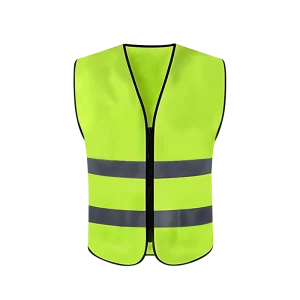
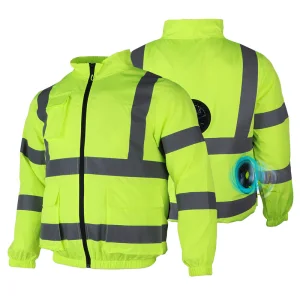
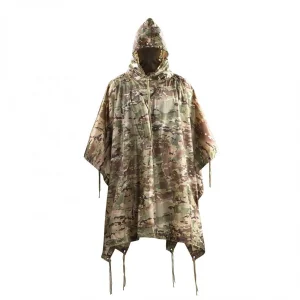
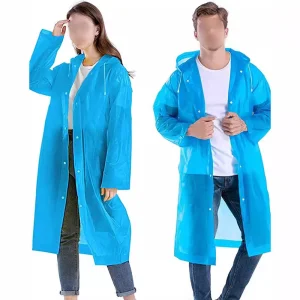
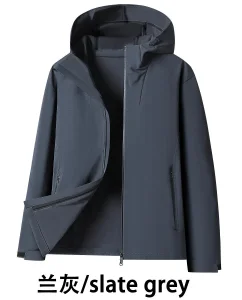
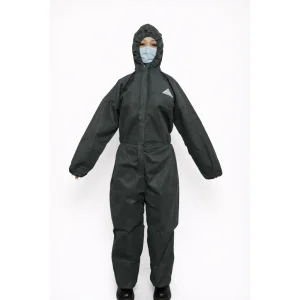
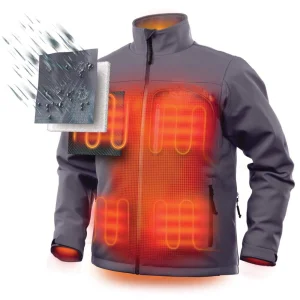
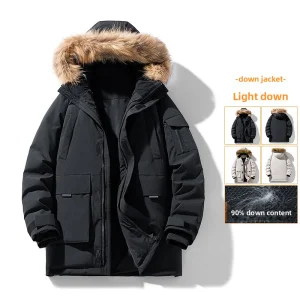
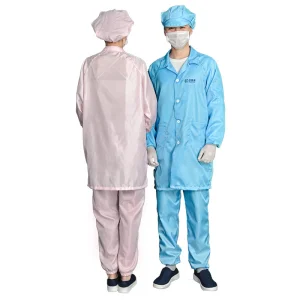
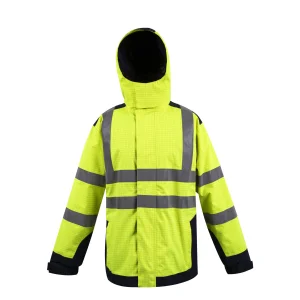
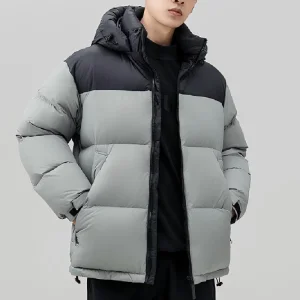
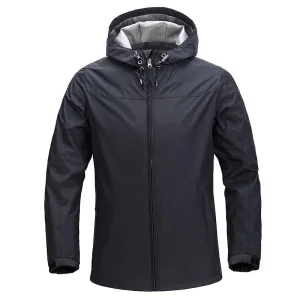
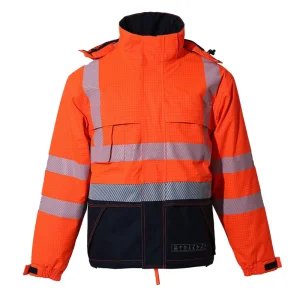
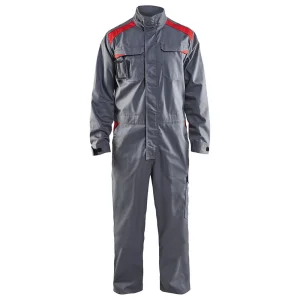
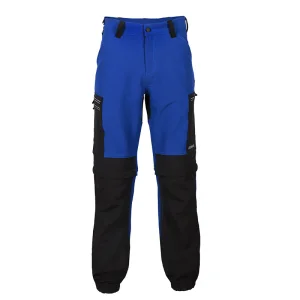
Explore our primary heavy-duty winter workwear and specialized PPE products designed to complement performance insulated hand protection systems.
In industrial environments with ambient temperatures dropping below freezing point (ranging from -5°C down to -50°C), protecting workers' hands is a complex challenge. Unlike the core body, human hands have a high surface-area-to-volume ratio, making them highly susceptible to peripheral heat loss. High-performance insulated work gloves rely on trapping pocketed air (the most effective natural insulator) within synthetic microfibers while maintaining mechanical dexterity, oil resistance, and touch-screen usability.
Without appropriate thermal barriers, workers face rapid onset of cold-induced injuries, reduced grip strength, and decreased sensory perception, leading directly to elevated occupational safety hazards.
To qualify thermal safety equipment under EU and US guidelines, rigorous third-party evaluations must verify compliance with strict standards. In this guide, we analyze global manufacturers based on their compliance with EN 511 (European standard for cold-protective gloves) measuring convective cold, contact cold, and water permeability, alongside ANSI/ISEA 105 standards for mechanical cut, puncture, and abrasion resistance.
True E-E-A-T (Experience, Expertise, Authoritativeness, and Trustworthiness) requires diving past marketing jargon and analyzing raw compound integrity, thermal coatings, and raw material sourcing paths.
The next decade of hand protection systems is defined by the convergence of material science, ergonomics, and smart sensors. As automation expands across cold-storage logistics and sub-zero offshore drilling, insulated work gloves must evolve beyond passive insulation.
Incorporation of microencapsulated Phase Change Materials within glove linings. These micro-capsules absorb thermal energy as the worker's hand heats up and release that latent heat as ambient temperatures drop below a critical threshold, maintaining a stable microclimate next to the skin.
Using silica-based aerogels as composite thin-film inserts. Because aerogel is composed of 95%+ air trapped in pores nanometers in diameter, it stops conductive heat transfer completely while being extremely thin, allowing gloves to remain slim and flexible for complex mechanical tasks.
Embeddable flexible printed circuits that continuously monitor the skin temperature of fingertips. Real-time sensory feedback can warn operators of frostbite risk via haptic vibrations before physiological sensation is lost, allowing supervisors to monitor field conditions digitally.
Based on global manufacturing capacity, technological innovation, certification compliance, and supply chain reliability, here are the world's leading manufacturers of insulated work gloves.
| Manufacturer Name | Headquarters & Hubs | Core Material Competency | Primary Industrial Sector | Key Compliances & Certifications |
|---|---|---|---|---|
| Ansell Ltd. | Australia / Global Hubs | Polyurethane coatings, Ring-spun knit liners | Chemical, Heavy Industrial Manufacturing | EN 511 (Level 2/3), EN 388, FDA Compliant |
| Showa Group | Japan / USA / Europe | Biodegradable Nitrile, Breathable micro-porous PU | Cold Logistics, Chemical Handling | EN 511 (Contact Cold level 2), CE Cat II |
| ATG (Advanced Technology Glove) | Sri Lanka / Switzerland | MaxiFlex technology, micro-foam nitrile coating | Automotive, Cold precision assembly | Oeko-Tex Certified, REACH Compliant |
| Honeywell Safety Products | United States / France | High-performance polyethylene (HPPE), Thinsulate™ | Utilities, Construction, Cold Warehousing | ANSI Cut A4-A9, EN 388, EN 511 |
| MCR Safety | United States / Global | Nitrile foam, pigskin & cowhide thermal liners | Oil & Gas, Heavy Construction, Steelwork | ANSI Cut level A3, EN 511 Level 2 |
| Wells Lamont Industrial | United States | Grain cowhide, proprietary knit liners | Agriculture, Heavy Material Handling | ISO 9001:2015, ANSI Abrasion Level 4 |
| Protective Industrial Products (PIP) | USA / China Assembly | Seamless knit acrylic, latex palm coatings | Construction, Municipal Winter Operations | ANSI cut resistant levels, EN 511 |
| Superior Glove Works | Canada | Kevlar® blends, thinsulate lining, goatskin | Mining, Aerospace, Sub-Zero Mechanics | ASTM Cut levels, EN 511 Level 3 Cold |
| Ejendals AB (Tegera) | Sweden | Proprietary Aquathan® membranes, Merino wool | Arctic Logistics, Nordic Industrial Projects | CE Category III, EN 511 convective cold Level 4 |
| Fuzhou Jennie Fashion Co., Ltd. (JNI Group) | China (Factory 4.0 Center) | Advanced TPU composite laminations, thermal windproof softshell, smart-heated element integrations | All-weather Industrial PPE, Heavy Duty Safety Outerwear, Cold-chain Protection Systems | EN ISO 20471, EN 343, EN 531, EN 533, OEKO-TEX, ISO 9001 |
Fuzhou Jennie Fashion Co., Ltd. is a professional manufacturer with decades of experience in the rainwear and outdoor functional apparel industry. Over the years, we have developed strong expertise in sourcing, designing, and producing a wide range of high-quality garments, building a solid reputation in both domestic and international markets.
With advanced manufacturing facilities and a skilled production team, we are able to maintain strict quality control throughout every stage of production—from material selection to final inspection. This enables us to continuously deliver stylish, high-performance, and competitively priced products that meet diverse customer needs and comply with international standards, especially European regulations.
In addition to rainwear, we have successfully expanded our product lines to include outdoor wear and functional clothing such as body warmers, everyday jackets, casual pants, ski wear, and other performance apparel. Our products are widely supplied to well-known brands, reflecting our capability in both OEM and ODM services.
Made from 100% polyester, with or without TPU membrane, our softshell garments offer waterproof, breathable, lightweight, and stylish performance. They provide excellent comfort, warmth, and flexibility for outdoor and urban use.
We use high-quality stretchable PU, PVC, and EVA materials. All seams are fully welded to ensure maximum waterproof protection in heavy rain conditions. Products are available with or without printing and lining, and include jackets, pants, bib pants, and ponchos—designed to keep users dry and comfortable in all weather conditions.
Our workwear collection includes Hi-Vis PU and non Hi-Vis PU options, with breathable or non-breathable fabrics and optional lining. Designed for safety and durability, these products comply with standards such as EN ISO 20471, EN 343, EN 531, and EN 533. The range includes jackets, pants, coveralls, bib pants, and padded parkas, ensuring protection, visibility, and comfort in demanding work environments.
Crafted from 100% nylon or polyester with functional coatings, our outdoor wear includes padded or non-padded designs. With waterproof and breathable performance and fully taped seams, these garments are ideal for skiing, hiking, sports, and other outdoor activities, combining functionality with modern fashion aesthetics.
At Fuzhou Jennie Fashion Co., Ltd., we are committed to innovation, quality, and customer satisfaction. We continuously invest in product development and sustainable manufacturing practices to better serve global partners and adapt to evolving market trends. Our goal is to deliver reliable, functional, and stylish apparel that enhances both everyday life and professional performance.
Operating a modern production base with specialized manufacturing lines. Every step, from laminating the TPU membranes to thermal bonding, is tightly monitored under global standards.
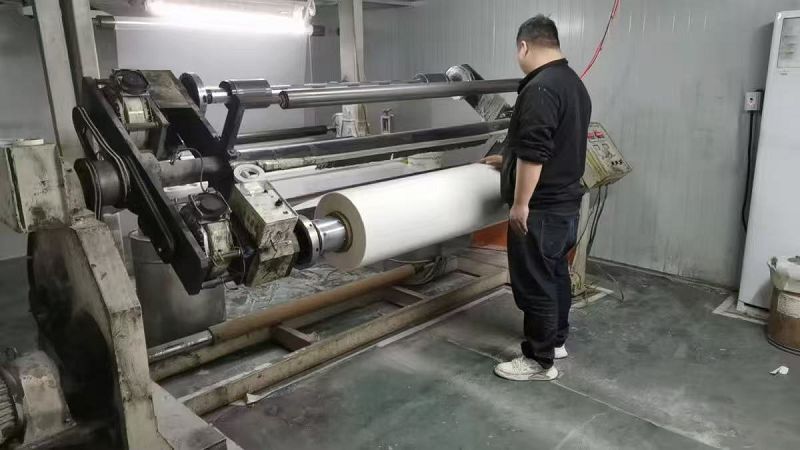
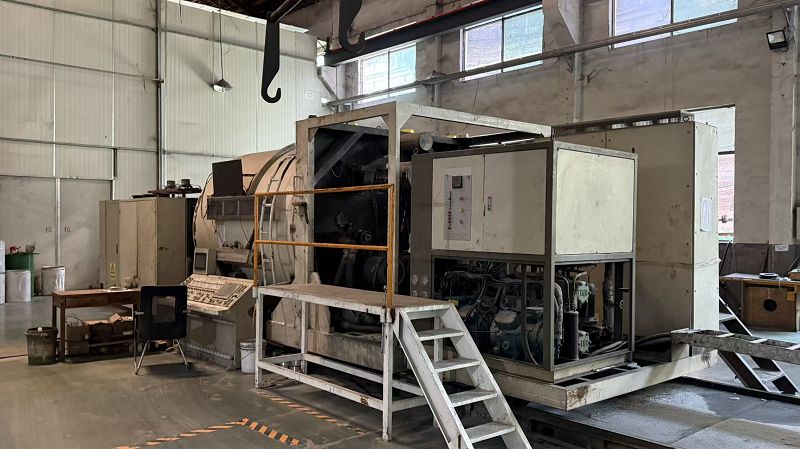
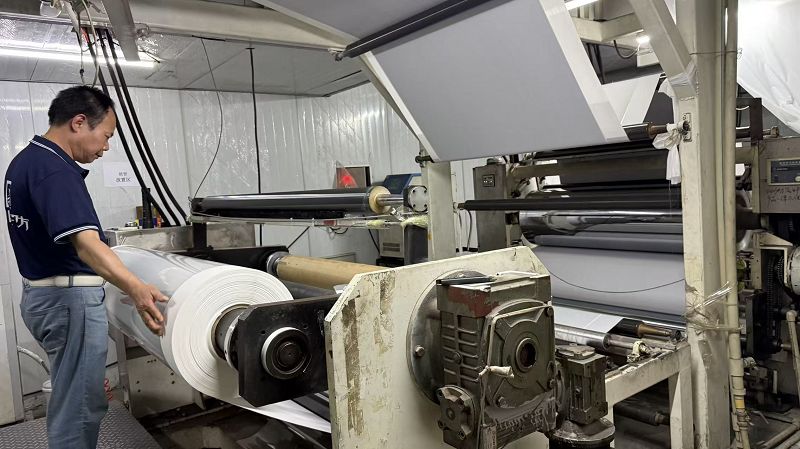
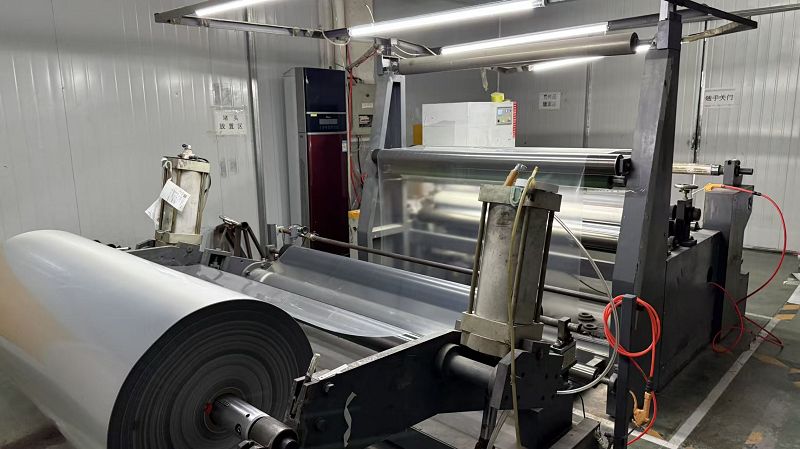
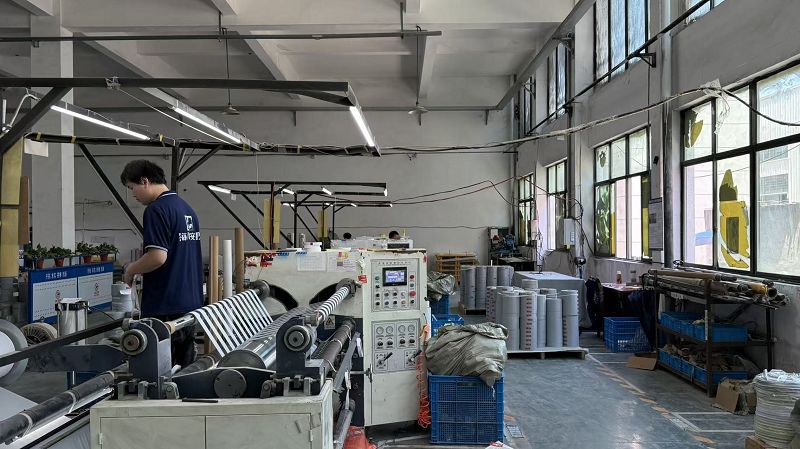
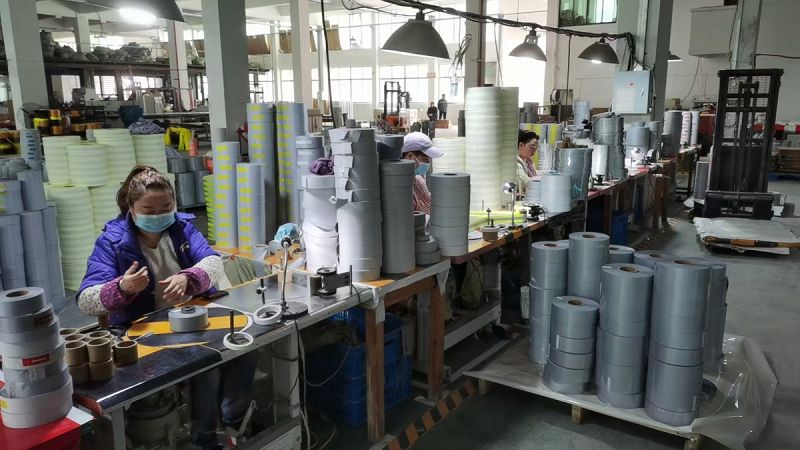
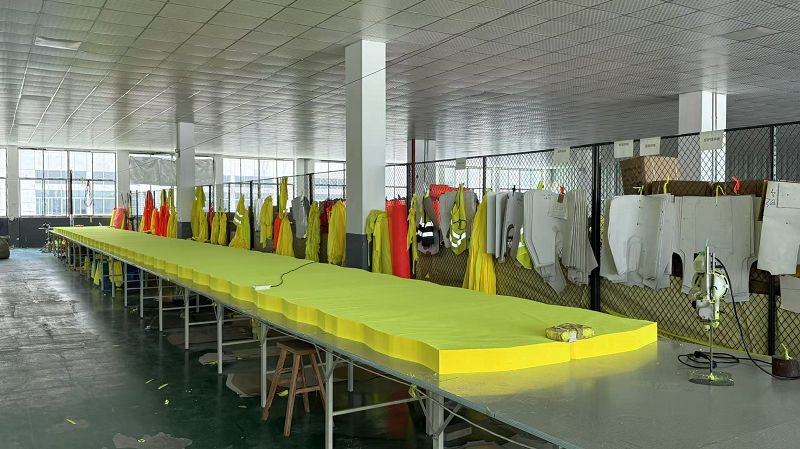
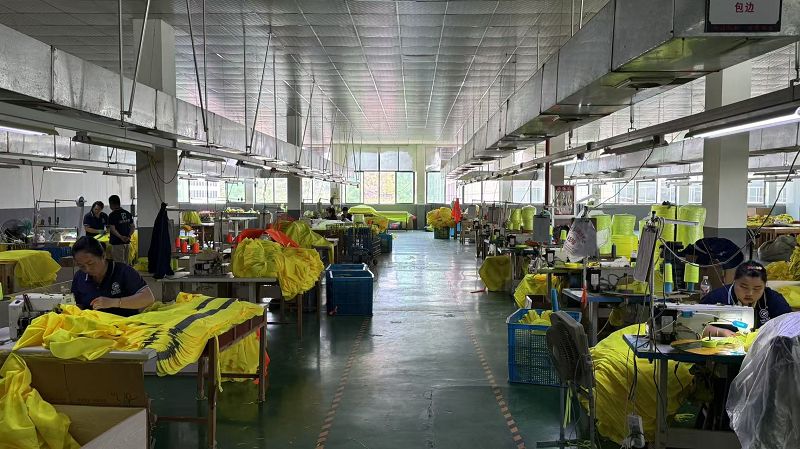
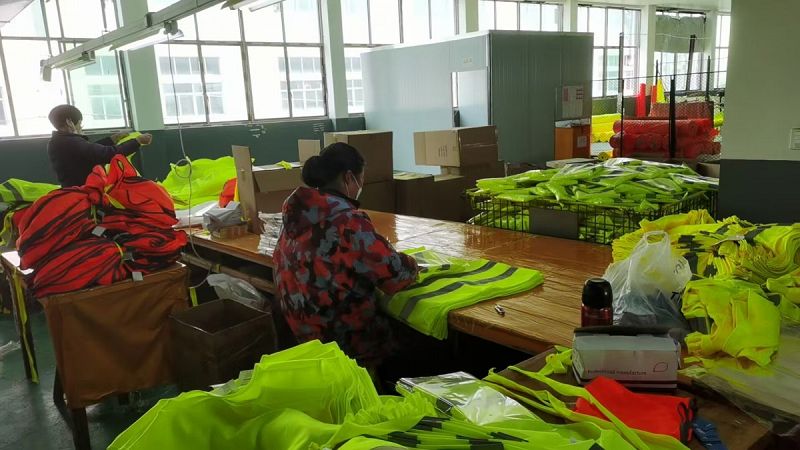
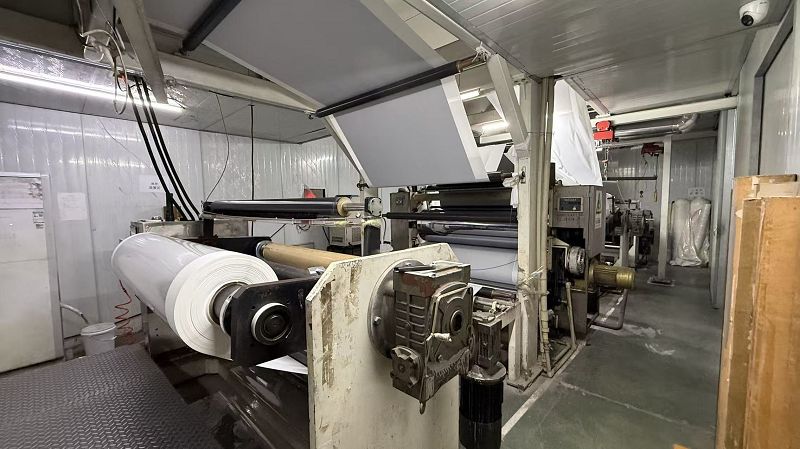
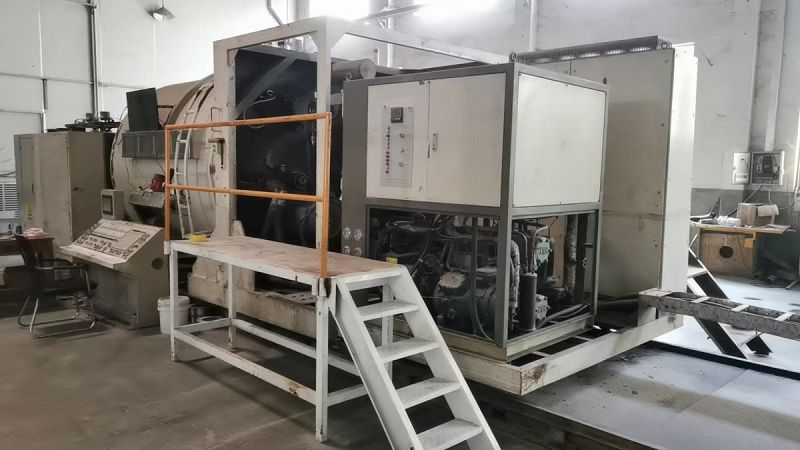
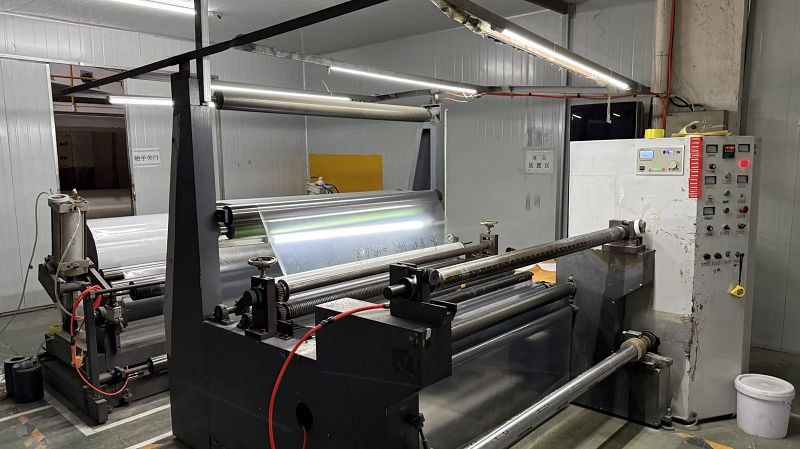
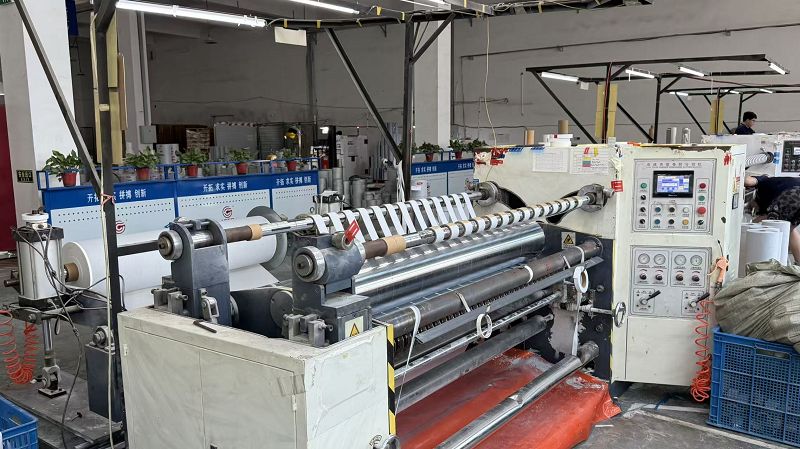
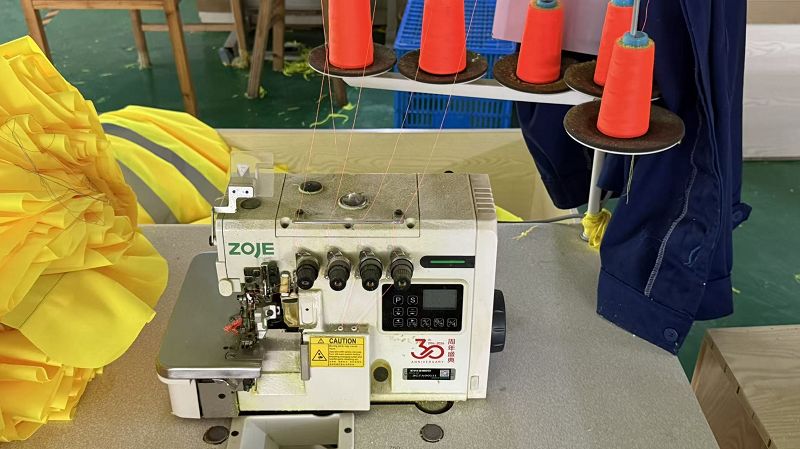
China's manufacturing ecosystem has evolved from a high-volume assembly paradigm to a highly integrated "Factory 4.0" automation benchmark. By integrating specialized production systems, Chinese manufacturing centers offer significant logistical advantages for global enterprises sourcing high-volume winter PPE and insulated work gloves:
Chinese manufacturing parks are situated near raw textile, polymer, and chemical manufacturing hubs. High-tech synthetic liners, thermal fills (such as micro-denier fleece and hollow-core polyester), and specialized coating chemicals (including waterbased polyurethane and nitrile foam) are sourced locally, eliminating international shipping friction and reducing lead times by up to 40% compared to other regions.
Using automated 15-gauge and 18-gauge computer knitting machines ensures every insulated glove liner is constructed without micro-structural inconsistencies. Computer-controlled liquid injection molding systems apply nitrile and polyurethane coatings with millimeter precision, ensuring optimal shell flexibility while preserving absolute barrier protection against moisture and petroleum chemicals.
Every batch of thermal work gloves undergoes strict automated and manual QA testing. From infrared scanning of thermal composite consistency to hydrostatic pressure testing of membrane integrity, our processes conform strictly to ISO 9001 and CE certifications, mitigating compliance risk for procurement managers in the EU and North American markets.
Leveraging advanced CAD modeling and custom-fabric compounding, JNI Fashion and leading manufacturers can pivot line setups quickly to accommodate custom orders. Whether your operation requires specific capacitive touch fingertips for tablets or customized high-visibility striping for nighttime rail track work, our facilities scale production quickly to meet high-volume seasonal demand.
Occupational cold exposure varies across industries. Selecting insulated work gloves requires mapping the physical environment to the correct protective specifications. The table below represents our engineering framework matching industrial work scenarios to glove architectures:
| Industrial Sector | Specific Cold Hazards | Optimal Mechanical Requirements | Recommended Glove Engineering Features |
|---|---|---|---|
| Cold Storage & Food Logistics | Convective and contact cold (down to -30°C), moisture from condensates. | High grip on slick plastic containers, high dexterity. | 15-gauge acrylic seamless loop-brushed lining, double-dipped sandy nitrile palm coating. |
| Offshore Oil & Gas Drilling | Extreme arctic wind-chill, exposure to volatile hydrocarbons, heavy impact risk. | Heavy-duty puncture protection (ANSI 4+), impact dampening (ANSI/ISEA 138 Level 2/3). | Synthetic leather outer with integrated TPU impact guards, waterproof lining, Thinsulate™ 100g insulation. |
| Winter Utility & Wind Power Maintenance | Wind exposure at elevation, rain/snow, contact with freezing metal components. | Electrical resistance (where applicable), abrasion resistance (EN388 Level 4). | Hydropellent fleece lining, fully coated liquid-proof barrier, touchscreen compatibility for system control units. |
| Heavy Civil Construction & Infrastructure | Contact cold, gravel and rebar handling, exposure to wet concrete/mud. | High mechanical resistance (Cut level A5+, Puncture level 4). | Kevlar®-reinforced knit liner, heavy-duty latex crinkle palm coating, breathable water-resistant outer. |
Sourcing industrial PPE globally requires strict compliance with localized workplace safety rules. Failure to meet these regulations can result in customs delays, corporate liability, and compromised safety standard audits.
The benchmark for thermal protective gloves in the EU. It rates gloves from Level 1 to 4 across three criteria: Convective Cold Resistance (how well the glove blocks ambient cold air), Contact Cold Resistance (thermal isolation when touching cold metal), and Water Penetration (0 or 1, representing moisture barrier effectiveness over 30 minutes).
Evaluates mechanical properties such as cut, puncture, and abrasion resistance. Cut protection levels range from A1 to A9 (tested using the Tomodynamometer test method). An insulated work glove destined for heavy industrial sites in the US must carry both thermal and ANSI mechanical performance ratings.
Under EN 374, cold-climate gloves used in waste management or fuel refining must prove permeation resistance against targeted chemicals. Sourcing from factories certified with ISO 17025 accredited laboratories guarantees testing integrity and documentation validity.
To help procurement directors make informed decisions during regional bidding, we recommend using this structured evaluation framework:
Critical technical inquiries addressed by industrial safety engineers and quality assurance directors.
Browse the remainder of our functional and certified safety outerwear catalogue, designed for industrial workers operating in harsh winter environments.
 Jennie Fashion